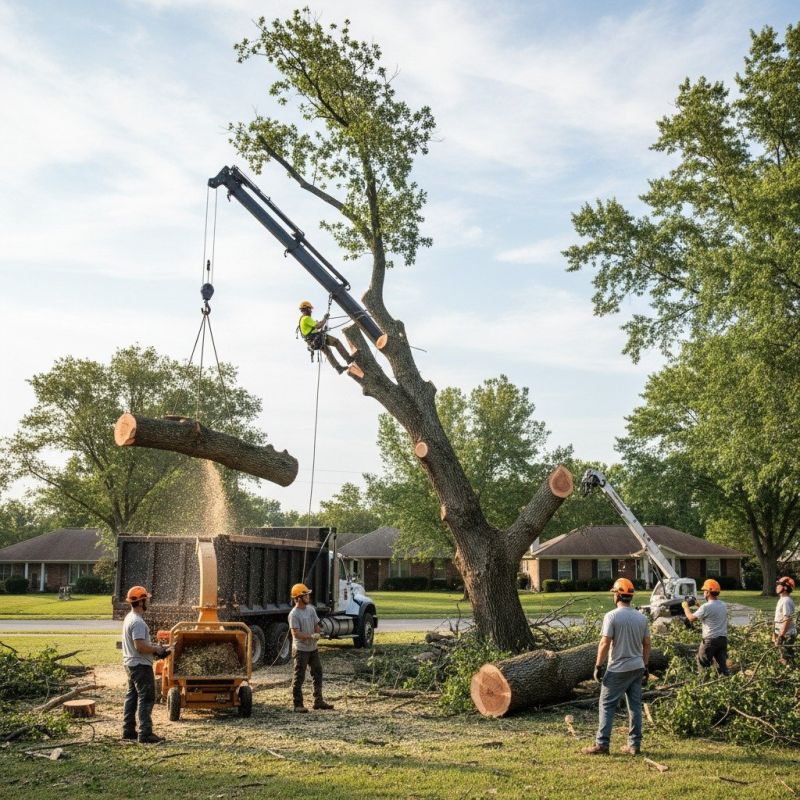
Cherry Tree Removal in Doylestown, PA
Cherry tree removal services involve the careful and efficient elimination of cherry trees that are dead, diseased, damaged, or pose safety concerns on residential properties. These projects typically include assessing the tree's condition, planning the safest removal method, and performing the work to prevent damage to surrounding landscaping or structures. Property owners often request this service when trees are obstructing views, interfering with utility lines, or becoming hazardous due to instability or disease.
Before requesting cherry tree removal, homeowners should consider the location of the tree, any potential impact on nearby structures or plants, and whether permits are required in their area. It’s also helpful to understand the size of the tree and the complexity of the removal process, especially if equipment access or safety precautions are involved. Clear communication about these details can help ensure the removal process proceeds smoothly and safely.
Many property owners in Doylestown, PA look into Cherry Tree Removal for repairs, replacements, upgrades, and appearance-related improvements.
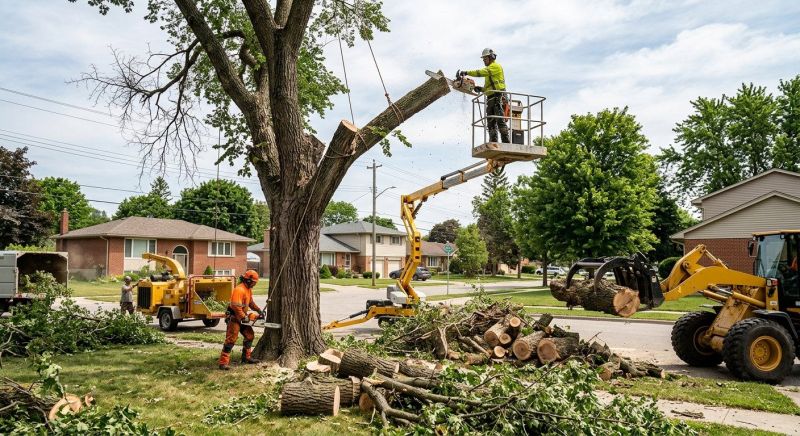
Reasons For Tree Removal
Trees may need to be removed due to disease, safety concerns, or construction projects.
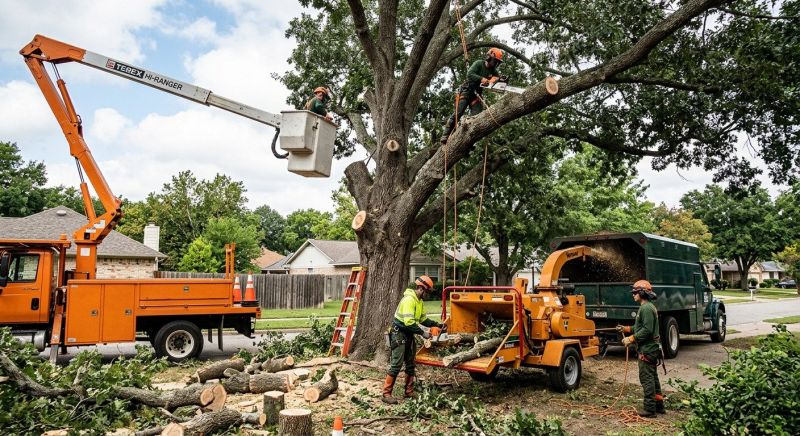
Safety And Property Protection
Removing hazardous or overgrown trees helps prevent property damage and personal injury.
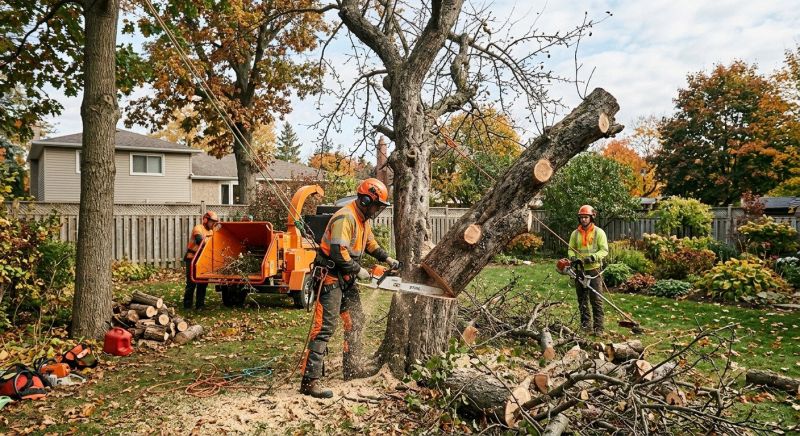
Tree Removal Process
The process involves careful planning, equipment use, and debris cleanup to ensure a safe and efficient service.
Cherry Tree Removal in Doylestown, PA
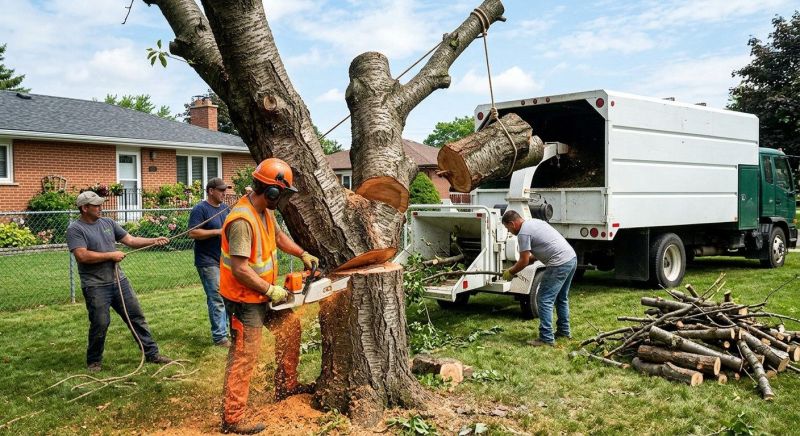
Cherry tree removal services involve the careful and efficient elimination of cherry trees that are dead, diseased, damaged, or pose safety concerns on residential properties. These projects typically include assessing the tree's condition, planning the safest removal method, and performing the work to prevent damage to surrounding landscaping or structures. Property owners often request this service when trees are obstructing views, interfering with utility lines, or becoming hazardous due to instability or disease.
Before requesting cherry tree removal, homeowners should consider the location of the tree, any potential impact on nearby structures or plants, and whether permits are required in their area. It’s also helpful to understand the size of the tree and the complexity of the removal process, especially if equipment access or safety precautions are involved. Clear communication about these details can help ensure the removal process proceeds smoothly and safely.
Many property owners in Doylestown, PA look into Cherry Tree Removal for repairs, replacements, upgrades, and appearance-related improvements.
Common Cherry Tree Removal Jobs
Cherry tree removal - safely eliminates unwanted or damaged cherry trees from the property.
Stump grinding - removes remaining tree stumps to prevent regrowth and improve yard safety.
Emergency tree removal - handles urgent situations involving fallen or hazardous cherry trees.
Selective pruning and thinning - reduces tree size and improves health without full removal.
Root removal - extracts invasive or damaged roots to protect surrounding landscaping.
Tree health assessment - evaluates cherry trees for disease or damage requiring removal or treatment.
Cherry Tree Removal Questions
Why remove a cherry tree? Removing a cherry tree may be necessary if it is diseased, damaged, or causing safety concerns on the property.
What signs indicate a cherry tree needs removal? Signs include dead or falling branches, root issues, or overall decline in health that cannot be restored.
Is cherry tree removal disruptive? The process typically involves careful cutting and cleanup to minimize impact on the surrounding landscape.
What should property owners consider before removal? It’s important to assess the tree’s location, potential hazards, and any local regulations regarding tree removal.
Request Cherry Tree Removal in Doylestown, PA
Use the quote form on this page to share the basics of your project and request more information for the type of work you need.