Deadwood Removal in Reno, NV
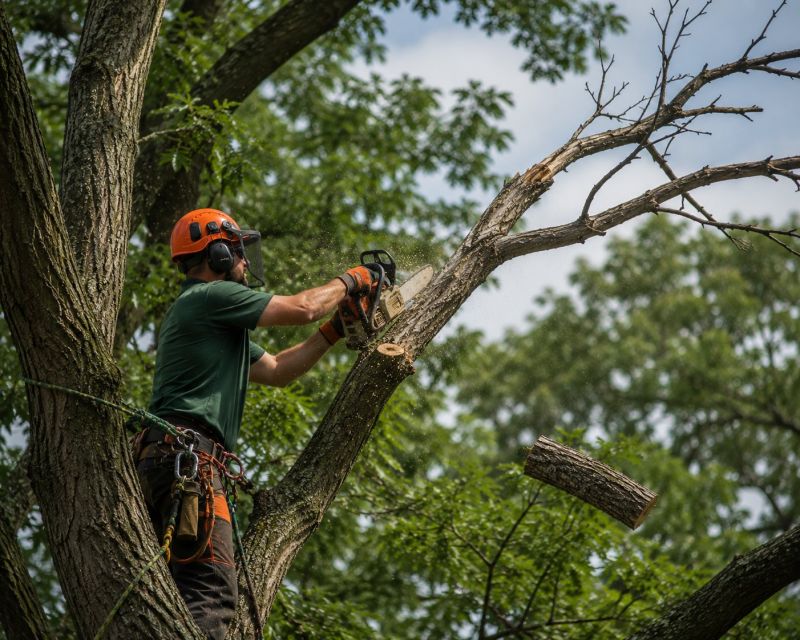
Deadwood removal services involve the safe and efficient removal of dead, damaged, or hazardous trees and branches from residential properties. These projects typically include removing fallen or leaning trees, trimming overgrown limbs, and clearing debris that may pose safety risks or obstruct views and sunlight. Homeowners often request this service to improve the safety and appearance of their yards, prevent property damage, or prepare for landscaping projects. It’s important for property owners to understand the scope of work, including whether the removal involves complete tree removal, pruning, or debris cleanup, and to consider any potential impacts on surrounding structures or utilities.
Before requesting deadwood removal, property owners should assess the condition of trees and identify areas where dead or decaying branches may be a concern. Knowing the size and location of the trees or limbs in question helps determine the complexity of the project. Additionally, understanding any local regulations or restrictions related to tree removal can be helpful. Clear communication about the specific needs and safety considerations of the property ensures that the removal process is carried out effectively and with minimal disruption.
Many property owners in Reno, NV look into Deadwood Removal for repairs, replacements, upgrades, and appearance-related improvements.
Types Of Deadwood Removed
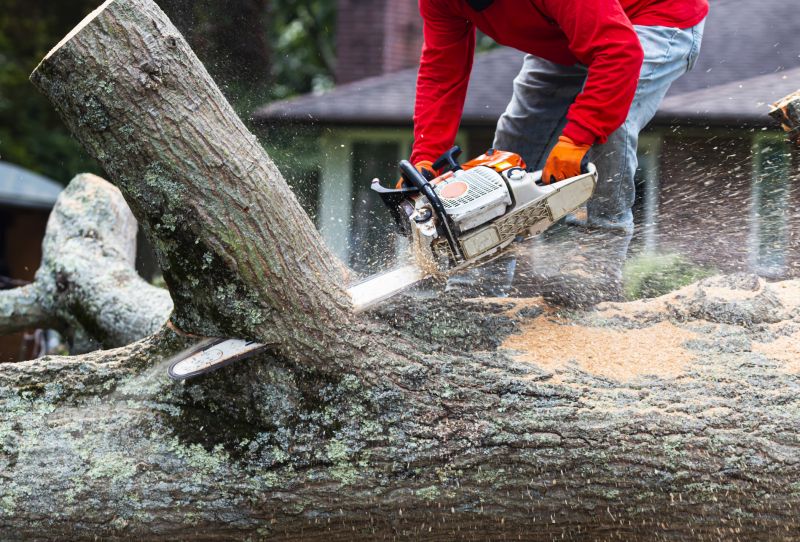
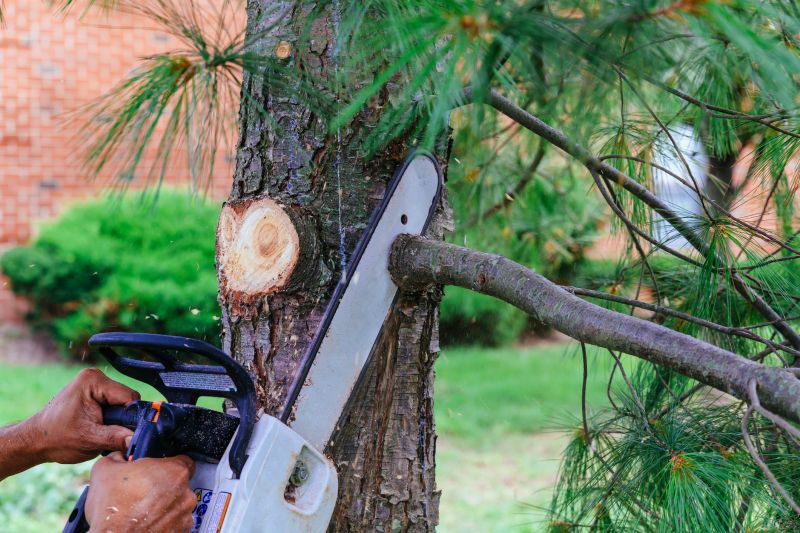
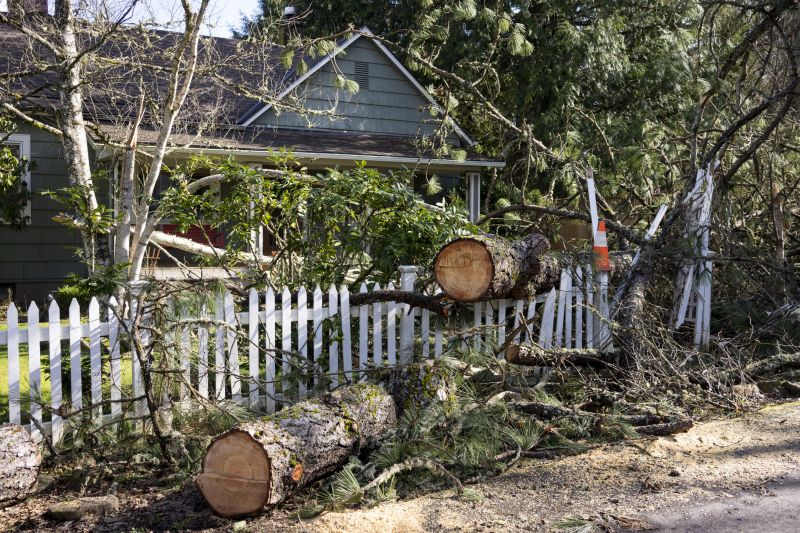
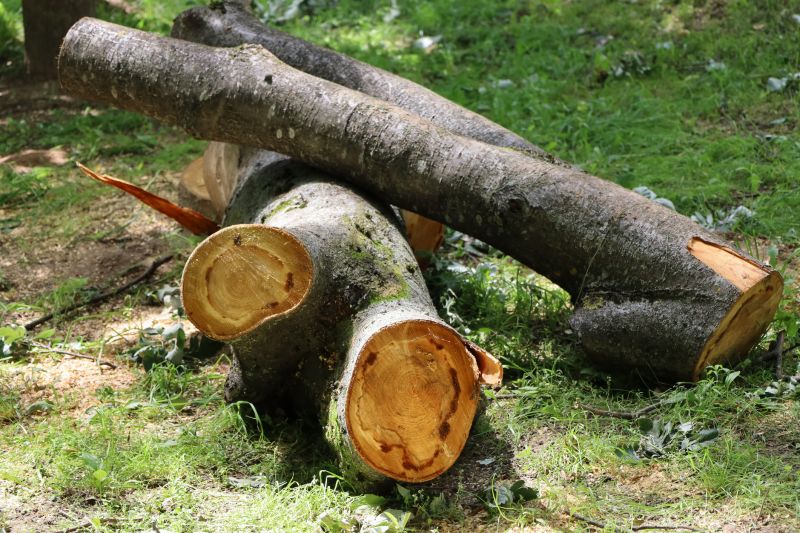
Services include removal of fallen branches, dead trees, and hazardous limbs to improve safety and aesthetics.
Benefits Of Deadwood Removal
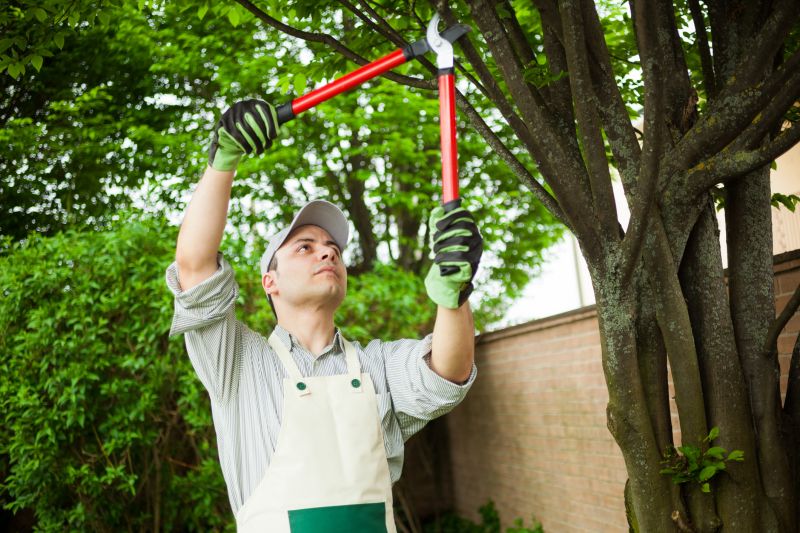
Removing deadwood helps prevent property damage, reduces fire risk, and maintains landscape health.
Common Projects In Reno
Deadwood removal is often requested for residential yards, commercial properties, and public parks in the area.
Deadwood Removal in Reno, NV
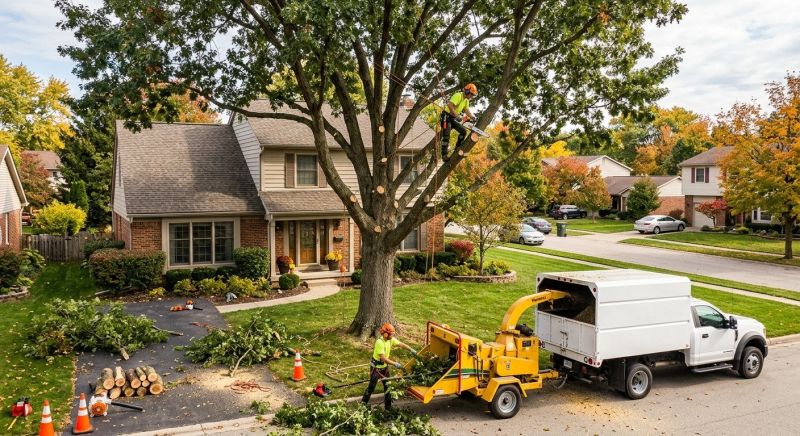
Deadwood removal services involve the safe and efficient removal of dead, damaged, or hazardous trees and branches from residential properties. These projects typically include removing fallen or leaning trees, trimming overgrown limbs, and clearing debris that may pose safety risks or obstruct views and sunlight. Homeowners often request this service to improve the safety and appearance of their yards, prevent property damage, or prepare for landscaping projects. It’s important for property owners to understand the scope of work, including whether the removal involves complete tree removal, pruning, or debris cleanup, and to consider any potential impacts on surrounding structures or utilities.
Before requesting deadwood removal, property owners should assess the condition of trees and identify areas where dead or decaying branches may be a concern. Knowing the size and location of the trees or limbs in question helps determine the complexity of the project. Additionally, understanding any local regulations or restrictions related to tree removal can be helpful. Clear communication about the specific needs and safety considerations of the property ensures that the removal process is carried out effectively and with minimal disruption.
Many property owners in Reno, NV look into Deadwood Removal for repairs, replacements, upgrades, and appearance-related improvements.
Common Deadwood Removal Jobs
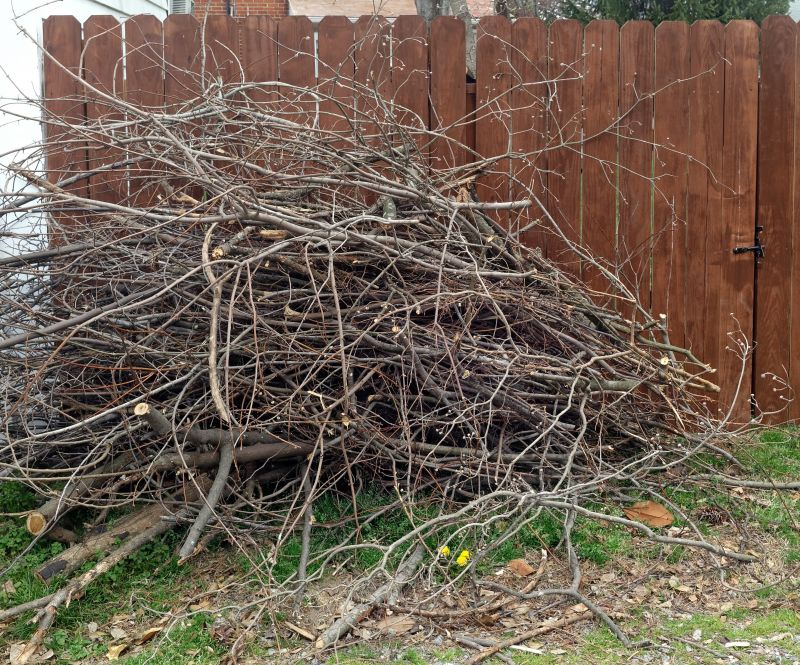
Brush pile removal - clearing away overgrown brush and debris from yards and gardens.
Tree stump removal - extracting remaining tree stumps to improve landscape safety and appearance.
Construction debris removal - clearing discarded building materials after renovations or new construction.
Land clearing - removing unwanted trees, shrubs, and vegetation to prepare land for development.
Yard cleanup - removing fallen branches, leaves, and yard waste for a tidy outdoor space.
Hazardous debris removal - safely removing dangerous materials like broken glass or sharp objects from properties.
Deadwood Removal Questions
What types of debris are removed during deadwood removal? Deadwood removal typically involves removing broken, rotted, or dead branches from trees to improve health and safety.
Why is deadwood removal important for property maintenance? Removing dead branches reduces the risk of falling debris and helps prevent damage to structures or nearby plants.
Is deadwood removal suitable for all tree types? Deadwood removal can be performed on most tree species, especially those prone to branch decay or storm damage.
When is the best time to schedule deadwood removal? Deadwood removal is often done during the dormant season or when dead branches become a safety concern.
Request Deadwood Removal in Reno, NV
Use the quote form on this page to share the basics of your project and request more information for the type of work you need.